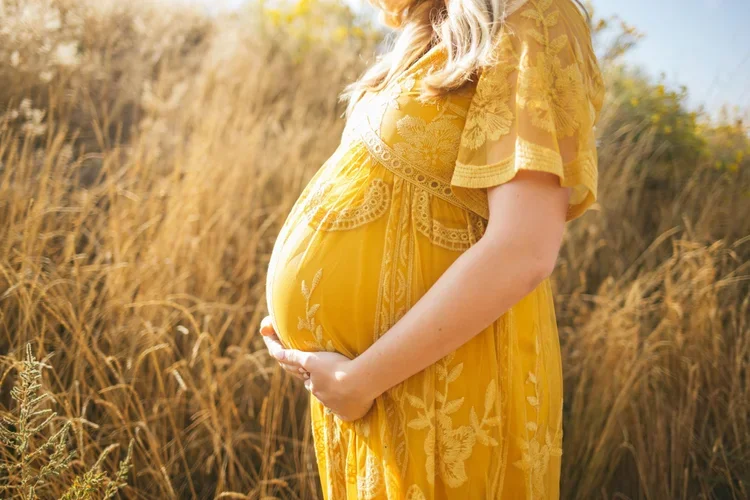
Whatever your pre-conception journey has been, I am assuming if you are reading this, you are now pregnant
and literally growing bones inside you - congratulations! This is such a unique and beautiful time in your life and
one that is filled with much emotion and a whole lot of unknown, especially if this is your first pregnancy.
Your diet and lifestyle during conception and pregnancy have the ability to either benefit or possibly cause
adverse effects to your growing baby. So, it is super important to provide optimum nutrition as best you can
during this critical time of development to give your child the best start in life.
Get excited about nourishing your body, and allowing yourself and your growing baby to shine from the
inside out! Making the best, wholefoods choices for you and your bub is vital for a healthy pregnancy. Eating
well and focussing on nourishing wholefoods during pregnancy will understandably have a direct positive
influence on the nutrient supply to your little human.
It can be so confusing to know what constitutes an awesomely nourishing diet during pregnancy…and there is
SO much information out there, and let’s be honest, some of it is a little too intense. So let’s look at how we can
support you and that growing human through nutrition, I am going to keep it simple and cut out the crap.
And really, the KEY TAKE-HOME POINTS are: listen to your body, focus on nutrient-dense wholefoods (the
less packets/processed foods the better) and with the help of a healthcare professional, get yourself a thorough
blood test and some good-quality pregnancy supplements. The end.
But let’s dive in a little further for the sake of this blog.
Firstly, do I really need to eat for two?
Both your nutrient and calorie demands do increase during pregnancy to meet the requirements of you and your
baby’s needs. But how much extra? The common belief of ‘eating for two’ is a misconception. In fact, unless you
are underweight during your first trimester, during these first 3 months, there is generally no need to increase
your food or calorie intake - so just keep eating as you were, listening to your body too. Dare I say, there could be
some nausea, food cravings and food aversions going on, and you may feel like eating more because you could be
STARVING all the time (speaking from experience) - just listen to your body. To accommodate for the increased
demand for nutrients during the second and third trimesters, it is generally recommended to add 240- 452
calories per day. To put it in perspective, this could simply be adding an apple with a nut butter or an epic
smoothie as a snack throughout your day.
Key Dietary Considerations and Recommendations
If you are feeling a little icky/nauseous - eating smaller more frequent meals can help. Think cold foods,
citrus fruits, smoothies, protein….and yes dry crackers/salty foods really can be a game changer! And for
me personally, if I let me self get too hungry or too full in that first trimester, it was all over. There are
some key supplements that can help too!If accessible to you - aim to eat an organic diet as much as possible to ensure the nutrients received and
quality of the food is at the highest. If organic just isn’t an option - grab yourself an awesome veggie wash
to help get rid of some of those nasty pesticides. Koala Eco have a great one!Monitor hydration as the pregnancy continues. Water intake should be calculated based on weight
(30ml per kg body weight). Roughly 2L/day (8-12 glasses per day) is a great guide.Include LOTS of fresh veggies – yellow and green veggies are particularly important as they are high in
folic acid (vital in pregnancy).2-3 pieces of fruit per day – choose nutritionally-dense foods e.g. banana, berries, pomegranate, kiwifruit,
apples and plums.Protein, Protein, Protein – Protein is essential in pregnancy – it is the building blocks of life! Including a
‘good’ serve of a protein-rich food such as seafood, lean meat, organic cage-free eggs, legumes, organic
tofu, full-fat dairy or nuts/seeds with each meal/snack is vital. A ‘good’ serve of protein will fit inside the
palm of your hand. For example, 2 eggs at breakfast or a palm sized portion of nuts as a snack. If and when
eating meat, make sure to choose (whenever possible), high-quality, organic, hormone/antibiotic-free and
“grass-fed” meats.Essential Fatty Acids - These are our good fats and are ESSENTIAL for your baby’s brain and eye
development! We need good fats with each meal such as those found in small oily fish (sardines, mackerel,
anchovies) nuts, seeds, avocado, wild-caught fish, flaxseed oil & extra virgin/cold pressed olive oil. Aim to
have a decent portion of good fats at each meal, such as ½ avocado with your eggs at breakfast, a handful
of nuts/seeds mid-morning or a drizzle of olive oil or flaxseed oil on your salad at lunch. Supplementation
may be recommended by your practitioner.Supplements - Taking good quality pregnancy supplements is vital in my Naturopathic opinion. Please
seek the advice of a qualified healthcare practitioner to make sure you are taking the right pregnancy
supplements for you and your bub. Some key players include a good quality pregnancy multivitamin,
choline, fish oils, iron, zinc, iodine, active folate, methylated B vitamins and more - all dependant on your
nutritional and health profile!
…
But most importantly: Please eat food. Every. Single. Day. Hungry? Eat some food. Breakfast time? Eat
food.🥑🍅🌶🥥🥬🍄🥜🥯🥩🧀🥪🥗🍱🍠🌮🌯🥚🍦🍷🍊🍇🥕🥑🥝🌽🌶 Breakfast,
lunch, dinner and snacks when needed. We need to nourish every single cell, organ and organ system in
your body and your growing bub so you can THRIVE.
Foods to Avoid During Pregnancy
Avoid preservatives, colourings, additives, artificial sweeteners, refined carbohydrates and sugar,
processed foods – these are stripped of any nutrients and thus are not providing a healthy environment
for you or your growing baby.Ideally avoid/limit caffeine and avoid alcohol completely.
Smoking and recreational drug use, also check any medications you may be taking with your GP!
Avoid foods that are not properly heated such as leftovers or microwaved foods (where heating may
not be thorough).Then we have the usual cuprits: mainly soft cheeses, cold/raw meats + raw fish, raw eggs. I strongly
recommend getting yourself a copy of “Real Food For Pregnancy” by Lily Nichols. This registered
Dietitian/Nutritionist really pulls apart the nutritional guidelines for pregnant women, dives deep into the
research, particularly some of these ‘avoids’ and offers a different perspective on many of the current
pregnancy nutritional guidelines and the foods we are all told to avoid.
If you or a friend are pregnant and have any questions in regards to dietary/supplement/lifestyle advice - please do reach out!!
Love Nutmeg xxx