Food, Nourishment and Recovery
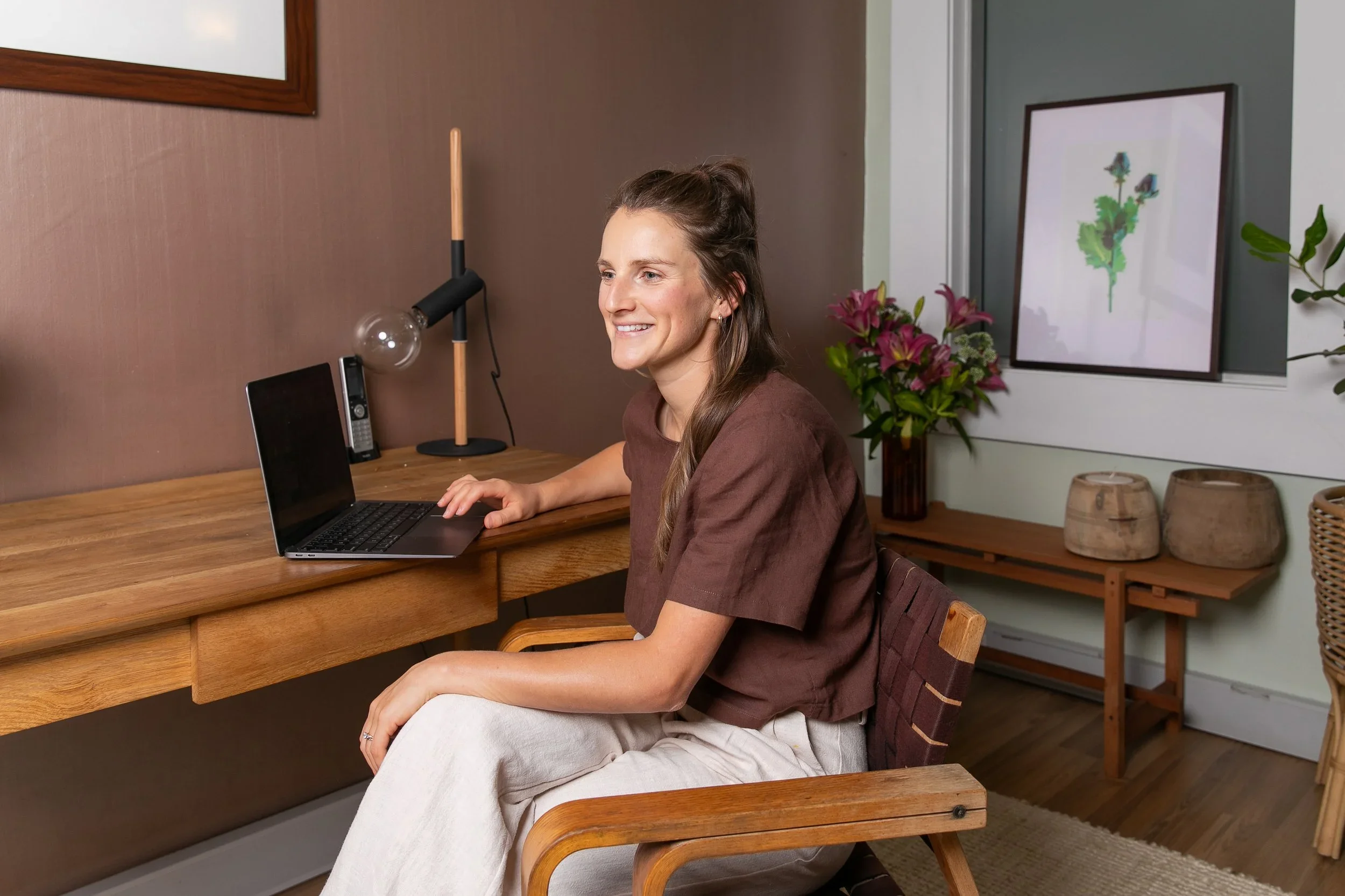
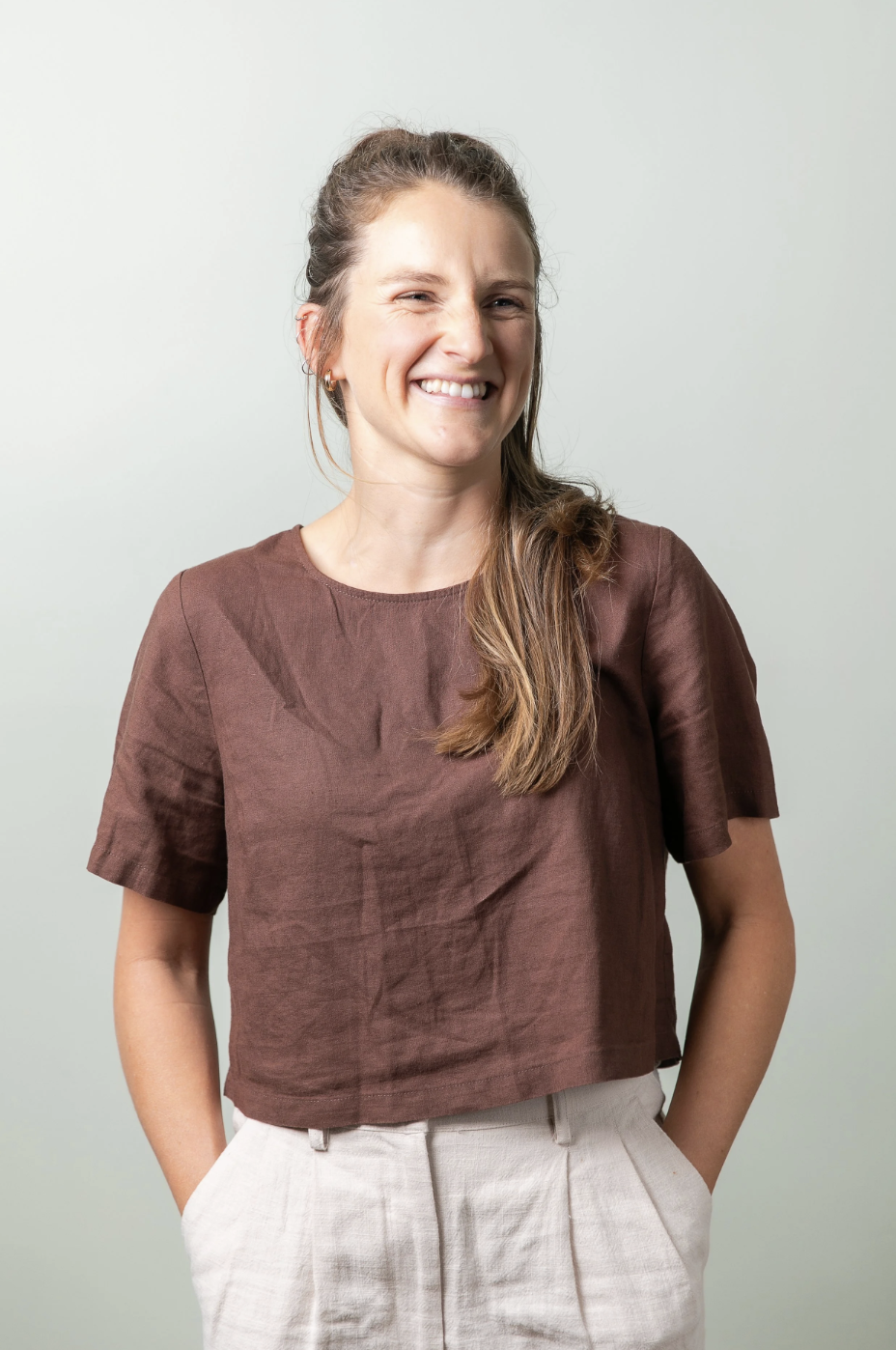
Phoebe Jobson is a naturopath in Sydney offering nutritional and physiological support through eating disorder recovery and cycle recovery, including hypothalamic amenorrhoea. She works alongside psychologists, dietitians and medical teams rather than in place of them. She consults from Darling Health in Leichhardt and online across Australia.
Somewhere along the line, eating became complicated.
What may have brought you here
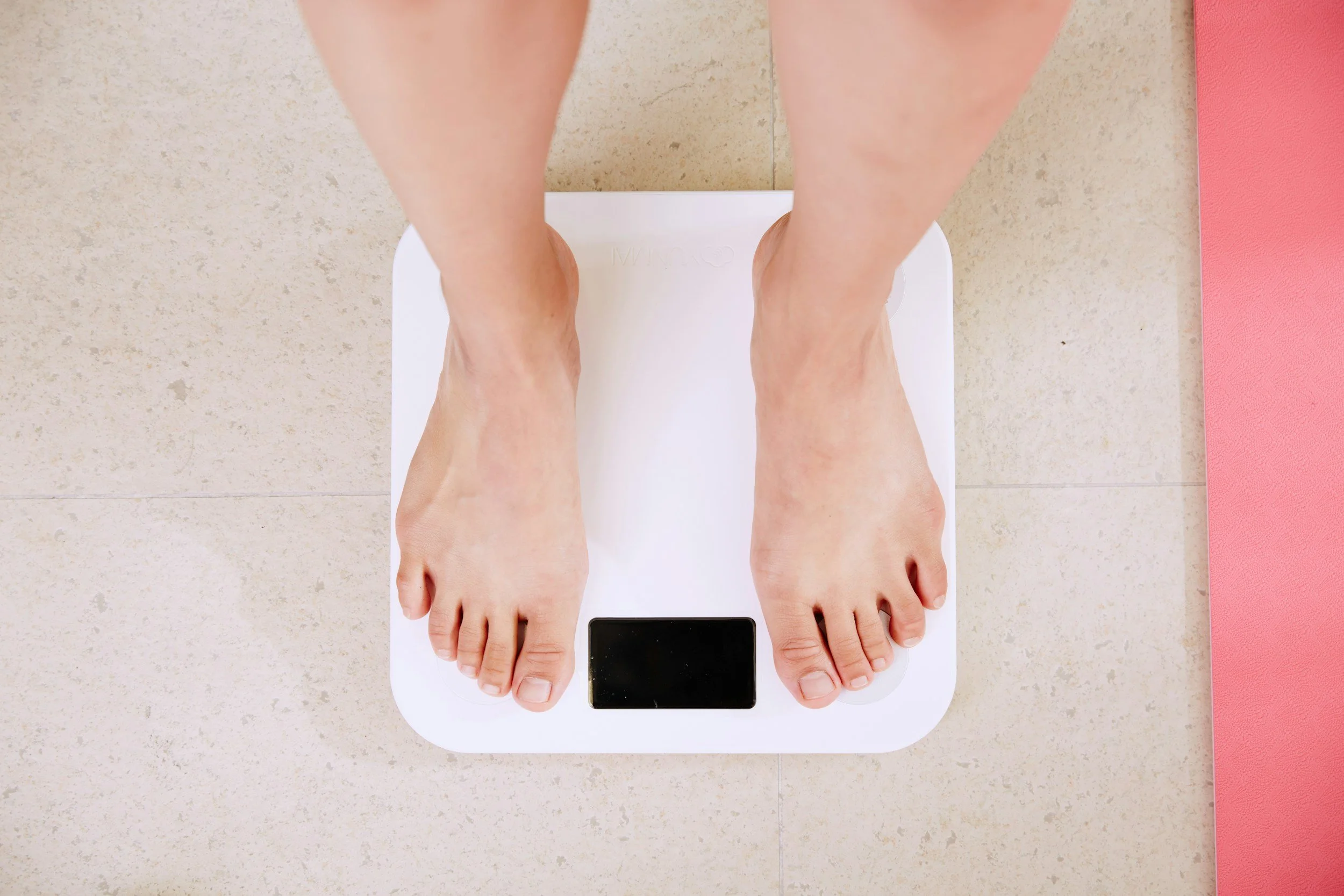
You might find yourself tracking rigid rules, keeping a constant mental tally, or managing a long list of foods that feel unsafe.
It might have started as a health kick. It has not felt like health for a while.
Or your cycle has stopped, or become unpredictable, and nobody has connected that to how much you are eating or how much you are training.
Your relationship with food and your physical wellbeing are closely connected. We look at the whole picture, and work towards bringing some peace back to your plate.
How I work with this
I rebuild your nutritional intake in a way that feels safe, manageable and comfortable for you. My focus is entirely on adding nourishing food back in. There is no macro counting, no food rules and no weighing here.
The nourishment picture
Recovery requires a sense of safety. Small, practical, repeatable regulation work rather than an overwhelming wellness routine.
The nervous system
Restriction has physical consequences, and they are measurable. I look at iron studies, B12, vitamin D, thyroid function, blood sugar regulation, gut health and nutrient absorption, and we repair what has been depleted.
The physiological picture
Cycle Recovery
Including hypothalamic amenorrhoea. This is a topic I care deeply about and have experienced myself.

My path to this work is personal. I am in full recovery from a restrictive eating disorder.
I write and speak openly about my journey, including on the Understanding Body Matters podcast, because it is the exact reason I practise the way I do.
Please note that naturopathy is not a substitute for specialised eating disorder treatment. I work alongside psychologists, dietitians and medical teams to make sure you are safe. What I offer is the nutritional and physiological support side of recovery, delivered by someone who understands what the process asks of you.
If what you need sits outside my scope, I will tell you and help you find the right person.
A note on eating
disorder recovery
If you need immediate support, the Butterfly Foundation National Helpline is 1800 33 4673.
Frequently Asked Questions
-
Yes, alongside your treating team rather than in place of it. I provide the nutritional and physiological support side of recovery and refer to psychologists, dietitians and GPs where clinical care is required. I will always tell you if what you need sits outside my scope.
-
Hypothalamic amenorrhoea is the loss of menstruation caused by the body reducing reproductive function in response to insufficient energy availability, often from under-eating, over-exercising, stress or a combination. Recovery generally involves increasing energy intake, reducing physical stress and supporting nutrient status.
-
No. My approach is to add rather than remove wherever possible.
-
A dietitian working in this area focuses on the eating side of recovery. My work sits alongside that, covering nutrient repletion, gut health, cycle recovery and the physiological consequences of restriction. Many people see both, and I am happy to work with your dietitian directly.
-
Yes. Not everyone who feels stuck around food has a diagnosed eating disorder. If eating has become anxious, rule-bound or exhausting, that is reason enough to get support.
-
You can reach me anytime via my contact page or email. I aim to respond quickly, usually within 1-2 business days.
Our you can simply book a consultation with me HERE