As a Naturopathic Practitioner in Sydney’s Inner West, I must admit, one of my most common interventions
recommended to support a patient’s compromised digestive system is going gluten free. Cliché I know.
Whether your practitioner has advised removing gluten to simply investigate the root cause of your chronic
digestive discomfort, or you have received a definitive diagnosis of coeliac disease or gluten intolerance, removing
this protein (short or long term) allows the delicate intestinal lining a much-needed window to rest and heal.
What Exactly is Gluten?
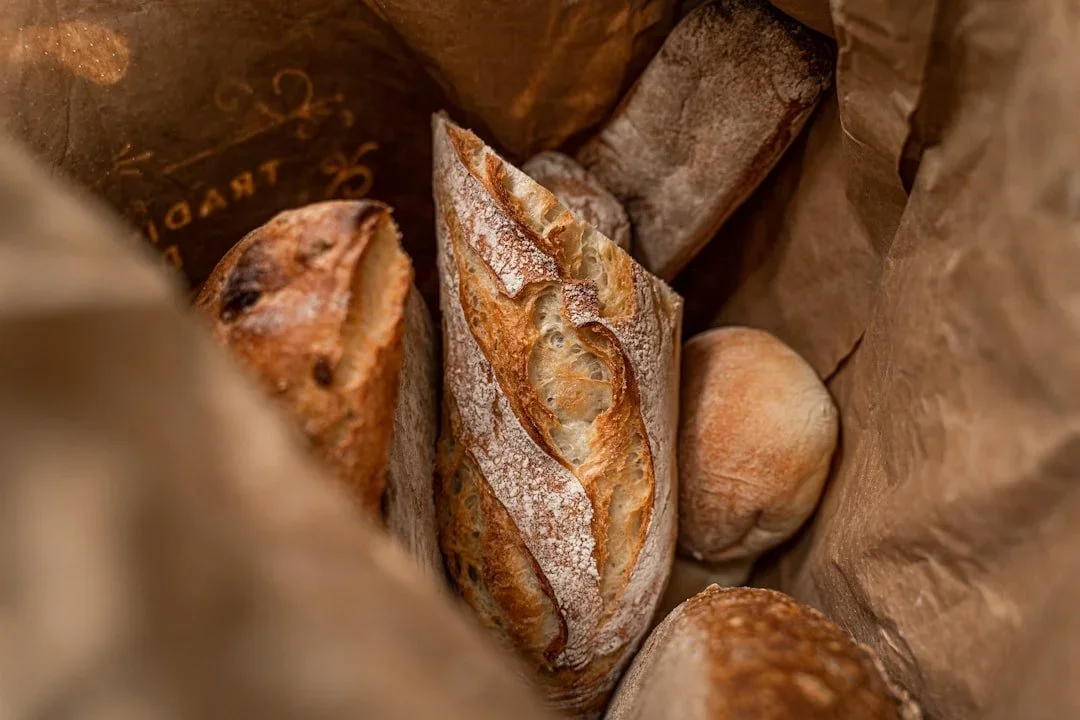
Gluten is a structurally resilient protein found naturally in grains like wheat, spelt, rye, and barley. In
conventional baking, it acts as a binding agent, responsible for the elasticity and stretch that gives bread its airy,
characteristic texture. However, it is also heavily utilized as a stabilizer in highly processed foods, hidden deep
within commercial condiments, stocks, and sauces.
Coeliac Disease vs. Non-Coeliac Gluten Sensitivity
From a health perspective, we approach these two conditions with very different timelines and treatment goals;
Coeliac Disease (CD): This is a serious autoimmune condition where the immune system misidentifies
gluten as a foreign threat. When gluten is consumed, the immune system launches an attack that causes
widespread inflammation and physical damage to the intestinal villi (the tiny finger-like structures lining
the intestinal wall). This damage drastically impairs nutrient absorption, driving deep-seated deficiencies
that can manifest as chronic fatigue and systemic depletion. Affecting an estimated 1 in 70 Australians, it
requires strict, lifelong avoidance of all gluten to allow full tissue healing.
Non-Coeliac Gluten Sensitivity (NCGS): Individuals with NCGS experience explicit gluten intolerance
and digestive symptoms without the specific autoimmune markers or long-term structural villi damage
seen in CD. While the initial removal phase is identical, people with NCGS may eventually be able to
reintroduce small, monitored amounts of specific gluten-containing foods under practitioner guidance
after a dedicated period of gut repair.
But What About Oats? A Vital Note
A common mistake when transitioning to a gluten-free lifestyle is the premature inclusion of oats. While pure
oats do not naturally contain gluten, they contain a structurally similar protein called avenin. In sensitive
individuals, avenin can provoke an identical symptom and inflammatory response.
Furthermore, standard commercial oats face extensive cross-contamination as they are grown beside or processed
on the exact same milling equipment as wheat, rye, and barley. Due to "uncontaminated" oats being able to
trigger a harmful response due to their avenin content, Coeliac Australia does not recommend oats as part of
a strict gluten-free diet.
Navigating Your Shopping List: The Gluten-Free Food Guide
Transitioning away from gluten should not be about buying heavily processed, "gluten-free" packaged
replacements. Instead, aim to focus your diet around vibrant, naturally gluten-free whole foods.
Whole Gluten-Free Grains & Substitutes to Enjoy:
Amaranth, buckwheat, quinoa, millet, and teff.
All varieties of whole rice (brown, basmati, jasmine, wild rice) and polenta.
Functional flours like chickpea (besan), coconut, almond meal, potato starch, arrowroot, and sago.
Clinical Note: A small subset of highly sensitive coeliac patients may experience a secondary sensitivity to even gluten-free
pseudo-grains like quinoa, amaranth, buckwheat, and millet. If symptoms persist, consult
your practitioner.
Hidden Sources to Strictly Avoid:
Breads & Cereals: Standard wholegrain, white, rye, barley, or pumpernickel breads; commercial cereals containing malt;
couscous, bulgur, farro, and panko breadcrumbs.Pastas & Sauces: Durum wheat pasta, egg noodles, hokkien, udon, and most commercial buckwheat soba
noodles (which are typically cut with wheat flour).Condiments & Pantry Staples: Standard Vegemite, Marmite, commercial soy sauce, malt vinegar, gravy
mixes, barbecue sauces, bouillon stock powders, and products containing hydrolyzed vegetable protein
(HVP).Meats & Packaged Goods: Hamburgers, seafood sticks, pies, sausage rolls, crumbed or battered meats,
and any marinated or seasoned meats using hidden wheat binders.
Vigilance in the Kitchen: Preventing Cross-Contamination at Home
If you have been diagnosed with Coeliac Disease, even microscopic trace amounts—as tiny as 1/100th of a
single slice of wheat bread—are enough to re-ignite an autoimmune response and stall your intestinal healing.
Preventing cross-contamination in your kitchen is a non-negotiable.
5 Absolute Golden Rules for the Home:
Sanitise Thoroughly: Always wash your hands with soap and warm water immediately after handling any
gluten-containing foods for other family members.Dedicate Separate Appliances: Maintain a strict, clearly labelled "Gluten-Free Only" toaster, sandwich
press, etc.Double-Dipping is Banned: Never use the same knife or spoon in shared condiment jars. Use separate,
clearly labelled tubs for nut spreads, tahini, mayo etc.Isolate Your Storage: Store all gluten-free items in sealed, dedicated, clearly marked containers, and
prepare your gluten-free meals first before any wheat products touch the workspace.Kitchen Ware: Keep a dedicated separate colander specifically for draining gluten-free pasta, and avoid
cutting food on wooden boards that have processed wheat bread.
A Final Naturopathic Consideration on Alcohol
Pure, distilled spirits—including gin, vodka, tequila, whisky, rum, and brandy—are technically considered
gluten-free because the distillation process separates the proteins, provided no raw grain flavourings are added
afterward. Most wines, champagnes, ciders, and alcoholic ginger beers are also naturally gluten-free.
Conventional beer, however, is brewed using barley and must be strictly avoided unless explicitly labelled as
gluten-free.
From a holistic perspective, remember to consume any alcohol in moderation; alcohol acts as a direct irritant to
the delicate mucosal barrier of the gut, which can mimic or significantly worsen your underlying digestive
symptoms that we are trying to heal.
Disclaimer: This blog is intended for general educational purposes only. If you suspect you have Coeliac Disease,
it is vital to undergo formal diagnostic testing before removing gluten from your diet. Always work alongside your
qualified healthcare practitioner to safely tailor any dietary & supplementary changes to your personal needs.
If you are looking for a Naturopath in Sydney’s Inner West, book your appointment here.
Nutmeg xx