Zinc is probably one of my favourite nutrients and commonly prescribed supplements with my patients. Zinc is
a vital mineral for many aspects of our health, yet approximately 85% of Aussie women and 50% of men are not
getting enough zinc in their diet! Additionally, zinc absorption and utilisation can be compromised by such
things as heavy metals, excess copper, and iron supplementation/iron containing foods. Furthermore, diet and
lifestyle factors including increased exercise, alcohol, coffee consumption, pregnancy, breastfeeding and
vegetarian diets increase the need for zinc.
For the above reasons and due to the various health issues that walk through my door, supplementing with a
bioavailable form of zinc is very common in the Nutmeg Naturopathy Headquarters. In saying that, each
individual is different, and I must always assess what is going on first and whether my patient requires more zinc
or not, and whether this can be obtained through diet or whether supplementation is needed. I often test my
patient’s zinc levels in a blood test, yet I also look for some common clinical clues of zinc deficiency. These
include;
White spots on the fingernails
Poor immune function – Zinc is essential for healthy immune cell function and its deficiency can be an
underlying cause of frequent colds and other immune challenges such as allergies.Issues with taste and smell – Researchers have confirmed people with zinc deficiency have reduced
sensation of taste and smell.Mood and neurological disturbances – Zinc deficiency has been associated with mood change such as
depression, rapidly changing thoughts, nervousness, hyperactivity and even psychosis. Low dietary zinc
intake has been associated with a greater incidence of depression in both men and women. One of the
leading theories on the relationship between zinc and depression is that zinc is a necessary co-factor for
neurotransmitter production and function.Gastrointestinal problems – Supplementation with zinc may help strengthen the intestinal lining to
protect against ‘leaky gut’ and heal intestinal cells. Most gastro-intestinal conditions benefit from zinc
supplementation and often require higher levels because the intestinal absorption of zinc may be affected.Skin complaints – Zinc is vital for skin health and plays an important role in wound healing. Low zinc
levels might present with delayed wound healing, atopic dermatitis and a cracked, fissured appearance of
the skin.Thinning and greying hair – Zinc deficiency is associated with de-pigmentation of the hair. Zinc is also
an essential cofactor needed for healthy thyroid function. Poor zinc status and an underlying thyroid issue
may cause hair thinning and even alopecia (loss of hair).
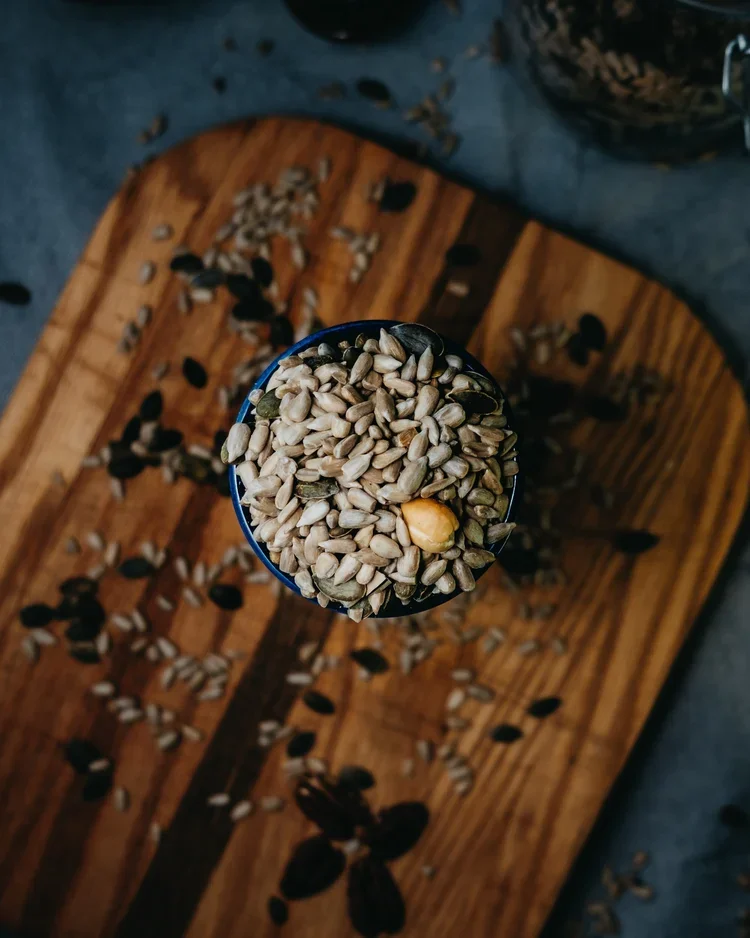
Apart from supplementation, foods high in zinc include oysters, wholegrains, nuts/seeds, eggs and meat. Before
recommending a supplement, testing for zinc levels might also be appropriate, depending on the patient. As
mentioned above, the best way to do this is through a blood test. And remember, before taking any
supplementation, please consult with a healthcare practitioner to determine what is right for your individual needs.
Nutmeg xxx